More fake-out please!
Why we all need more FOOH for 2024
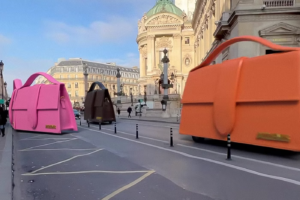
Real or fake? This year witnessed a surge in brands deploying augmented reality and CGI to craft ads with the goal of captivating attention by momentarily befuddling audiences and prompting the question: is this genuine or not? Termed as Fake-Out-Of-Home Marketing (FOOH), this trend has reverberated across social media, especially on platforms like TikTok, where users attempt to decipher the authenticity of these creations.
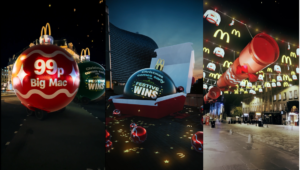
A prevalent strategy in FOOH involves presenting oversized renditions of products in urban landscapes. A recent instance is McDonald’s Festive Wins campaign, featuring animated festive baubles cruising through London’s Oxford Circus, burger boxes outside the Bullring in Birmingham, and Christmas crackers along the Royal Mile in Edinburgh. While McDonald’s attempts to embrace the FOOH trend, the animated nature of their baubles is unmistakable.
Other notable examples, like Maybelline’s, have triggered substantial online debate. The line between reality and fiction was so finely drawn that viewers found themselves torn between the ‘real’ and ‘fake’ camps. Despite the innovative and entertaining appeal of these ads, they have sparked considerable controversy, with concerns about potential misleading impressions.
At Kokoro, we appreciate the creativity of FOOH but emphasise the need for caution to avoid perceptions of deception. While the concept is amusing, it underscores how easily online content that appears authentic can be entirely fabricated. As more brands join the FOOH bandwagon, there’s a looming question of whether the charm of these imaginative campaigns will evolve from awe to a subtle eye-roll, with consumers thinking, ‘Not another one?’
Nevertheless, we recognise FOOH as a savvy means of seizing online attention and sparking conversations. We eagerly anticipate the creative endeavours that brands will bring to the table in 2024!