The UK faces its biggest rut
Discontent has crept into our lives. Can brands help us find our mojo?
Retreating from the world for a quieter life may not be the panacea we hoped it would be. Our wonderful weekly sentiment tracker – The Score – has shown that many of us are creating fewer mid-term plans, and this, in part, is leading to a sense of aimlessness. Without goals and plans to strive for, we’re stuck in a state of discontent, harking back to a rose-tinted past, or putting too much emphasis on the future and feeling disillusioned with the now.
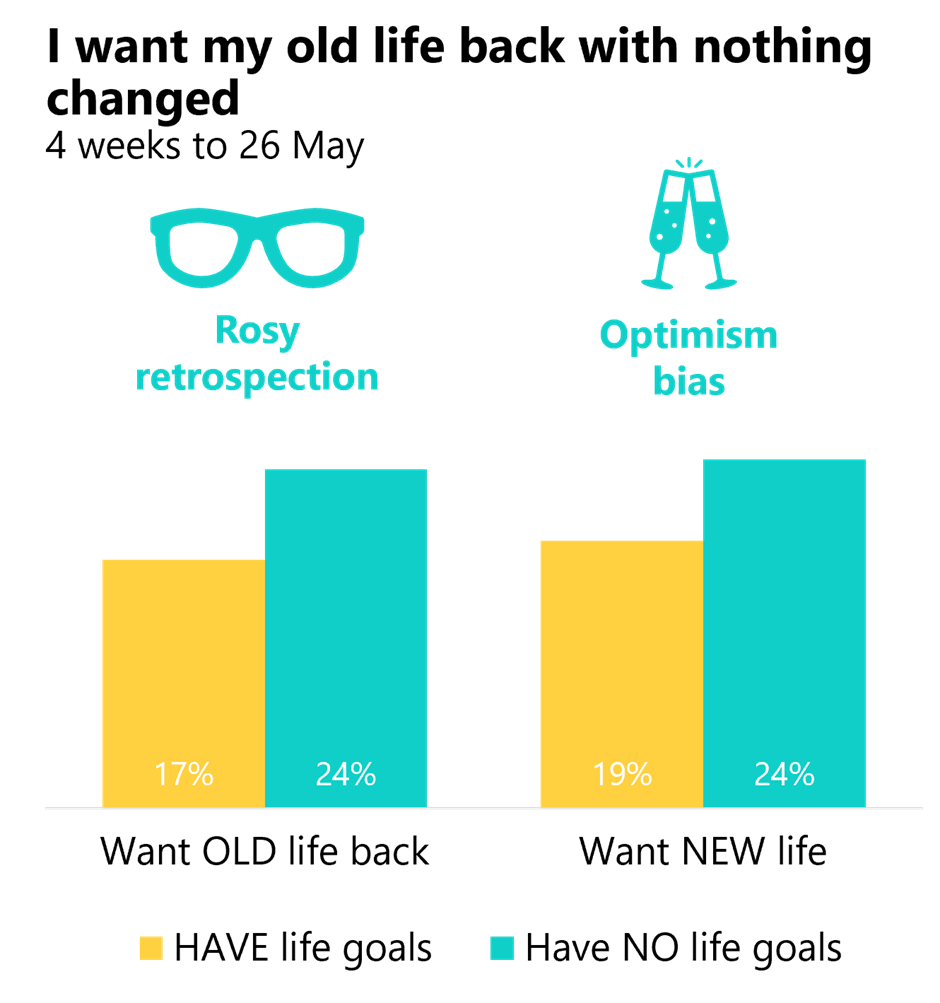
The fallout from Covid-19 and the cost-of-living crisis has increased financial concern, with less socialising and more working from home. A home-centric life has some benefits, but having a smaller world has depleted our sense of purpose. Freewheeling through life without a plan isn’t delivering the sense of liberation we’d expect; instead we feel rudderless.
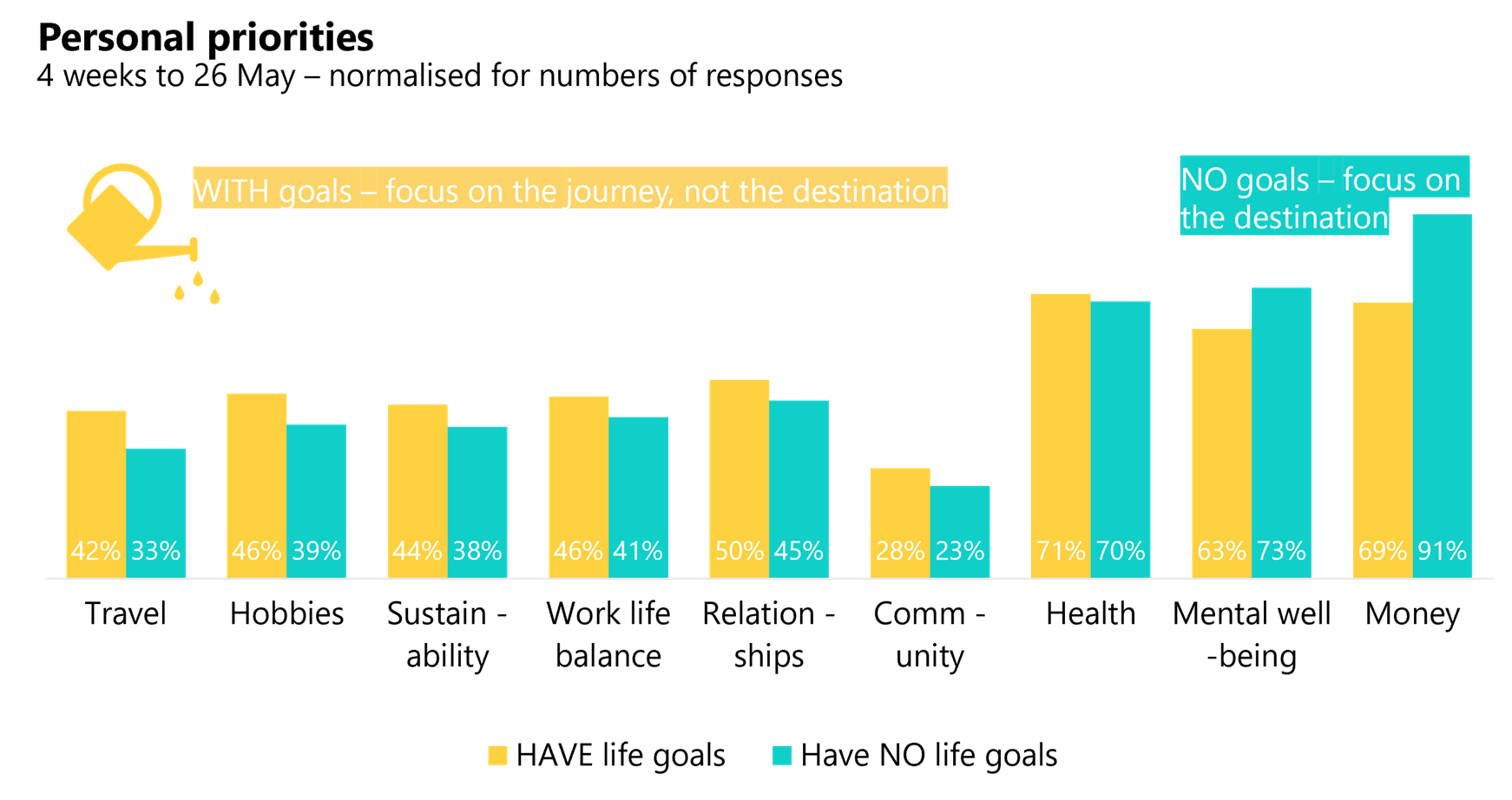
The Score results also show those with goals pay more attention to what they need to do rather than what they want to achieve. To lean on a slight cliché – goal orientated people focus on the journey rather than the destination; nurturing relationships, hobbies and work life balance rather than dwell on being happier, wealthier etc.
So, what do we learn and what can brands do?
Personal goals give us purpose and enable us to be more resilient in an unpredictable world. So brands can play a role on helping consumers break out of their malaise through goal setting and behavioural nudges to focus on the journey, not the destination.
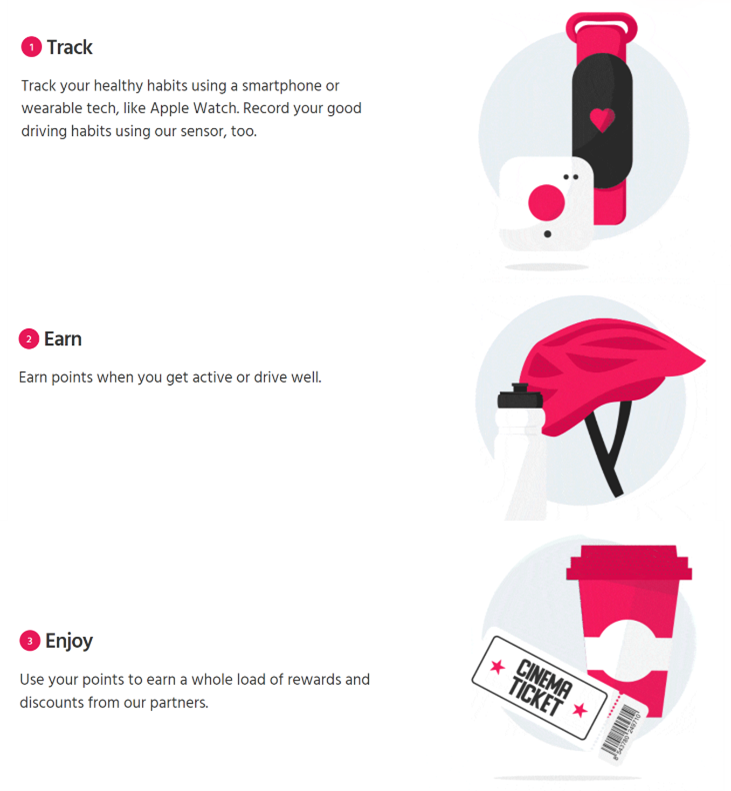
Lifestyle and health brands like Vitality and Fitbit are well established in this space. They leverage health-tracking tech and user-friendly dashboards that provide real-time feedback – and leaderboards and gamification/tiering to motivate users. In Vitality’s case – they create a positive feedback loop – the healthier you get, the cheaper your insurance, and the better your access to tools that help you be healthier.
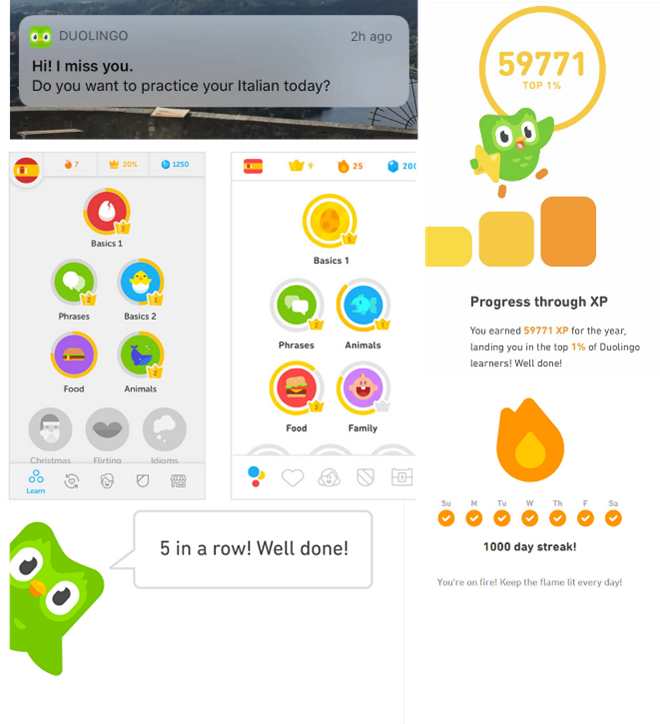
The language learning platform Duolingo has adopted a gamified approach, leveraging ‘streaks’ to help keep users motivated to complete lessons. There is a watch-out though; if brands adopt this type of language to gamify personal development there needs to be a fair value exchange. Otherwise, there’s a risk of it being seen as a cynical manoeuvre to leverage more revenue.
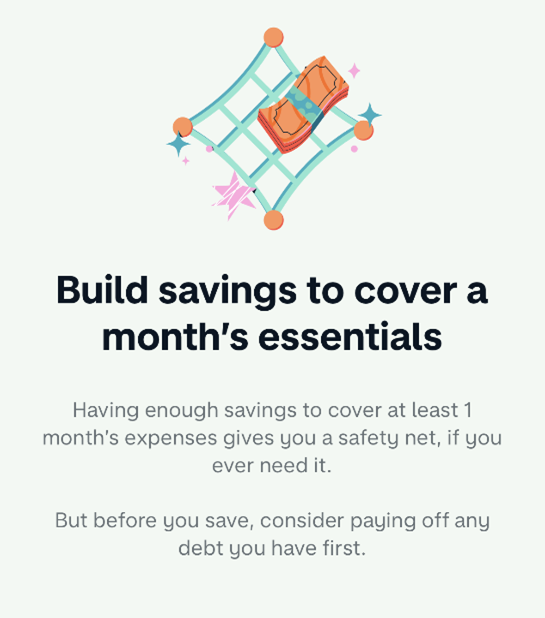
Banks have embraced the idea of helping people set savings goals after Monzo blazed the trail with ‘pots’. They’re now going one step further, providing nudges to help shape goals; starting with a ‘safety net pot’ – helping you work out how much you’d need to cover your expenses and start saving; ultimately improving your financial wellbeing.
But sometimes it’s just too hard to get started; there’s too much information to wade through. A number of travel providers are excellent at helping people overcome this initial hurdle, but then use a series of nudges to keep you on the path to your dream trip.
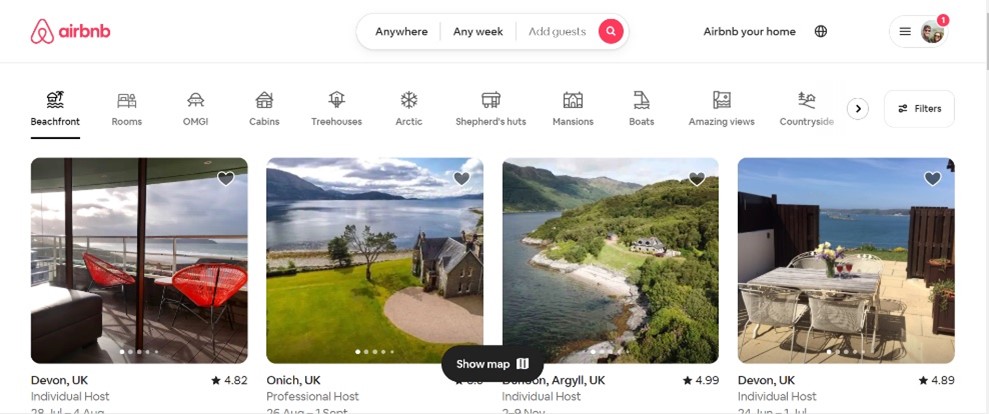
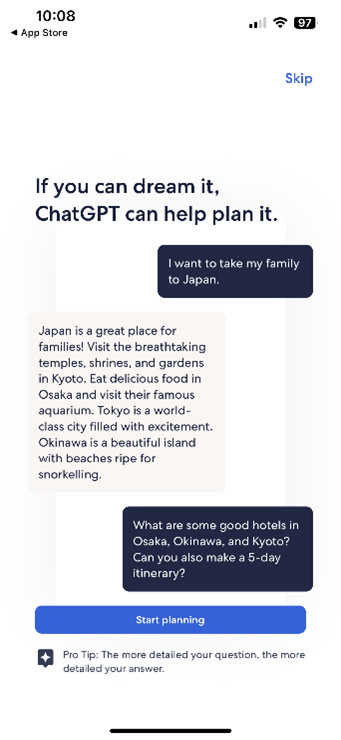
The likes of AirBnb use smart categories to help people home in on the type of trip they’re looking for (e.g. beachfront, mansions, shepherd’s huts, even mansions) in a location-agnostic way. Expedia’s recent integration with ChatGPT tackles this in a different way – allowing you to talk through what you want and explore without having to scroll through thousands of options.
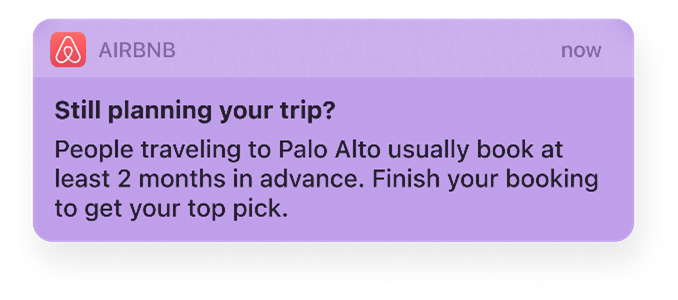
But after your initial search they nudge you to stay on track and make the dream a reality – push notifications and emails remind you to pick up your search where you left off, alerting you to when availability is low or prices change.
Goals give us focus and mitigate feelings of discontent. So, if brands can help us on our journey, then surely it’s to be encouraged?